
Showing posts with label movies. Show all posts
The Best Western Movies

.jfif)
.jfif)
.jfif)
.jfif)
.jfif)
.jfif)
.jfif)
.jfif)
.jfif)
The Best Western Movies 🔥
The Searchers: Complete Analysis of the Classic Western Legend
Analysis and Memories of "The Searchers" (1956): A John Ford Classic
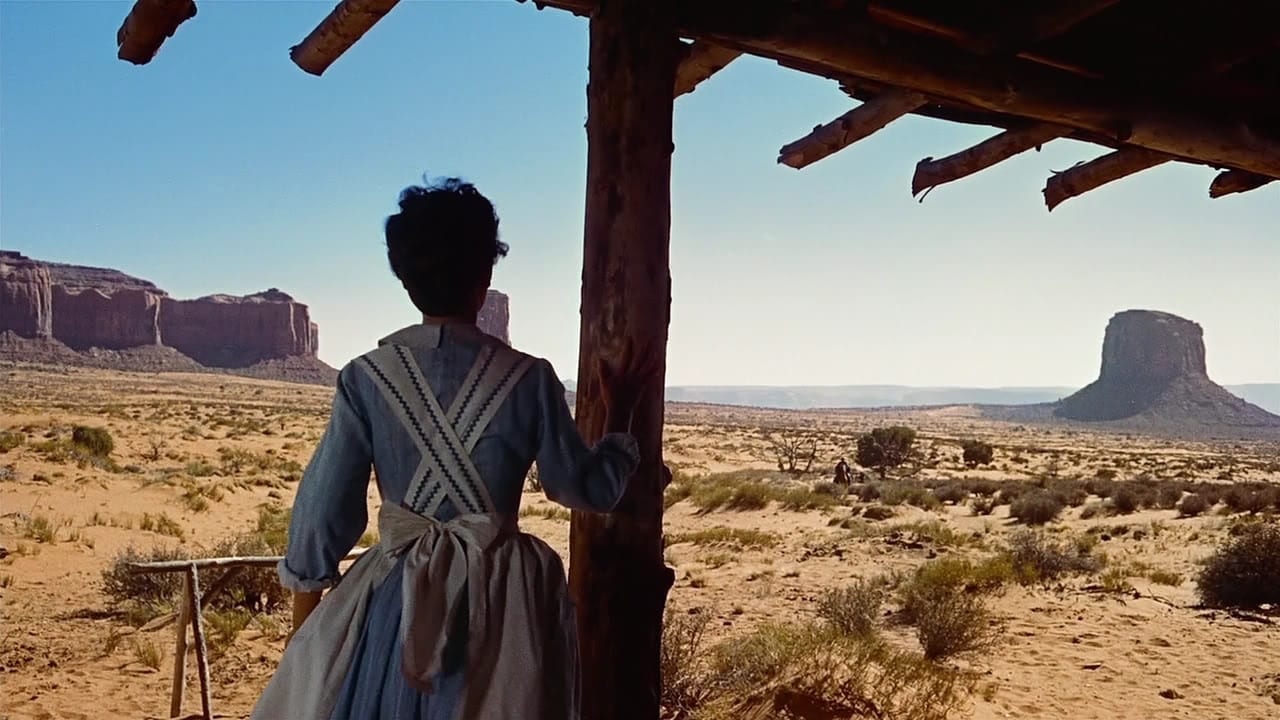
Today we're going to delve into a must-see classic: "The Searchers" (1956), a cinematic gem directed by the legendary John Ford. This film, released in the same year as other greats like "Giant" and "The Man Who Knew Too Much," transports us to Monument Valley, a setting that Ford turned into a symbol of the American Western.
John Ford: A Pillar of American Cinema
We can't talk about "The Searchers" without mentioning John Ford. This director, often portrayed in black and white photos with his signature eye patch, is considered one of the founding fathers of American cinema, especially the Western genre. His genius lies in the fact that his films, even decades after their release, continue to resonate with audiences. Furthermore, Ford has been a key influence on filmmakers such as Orson Welles, Akira Kurosawa, and Martin Scorsese.
Interestingly, although Ford defi
ned himself as a Western director, his four Oscars were won for films in other genres such as "The Informer," "How Green Was My Valley," "The Grapes of Wrath," and "The Quiet Man." His western "Stagecoach" was nominated but did not win.
The Plot of "The Searchers"
By 1956, at the age of 62, Ford had already come a long way in cinema, beginning in the silent era of 1917. For "The Searchers," Ford adapted a novel by Alan Le May that addresses the theme of the kidnapping of white women by Native Americans during the expansion of settlers into North America.

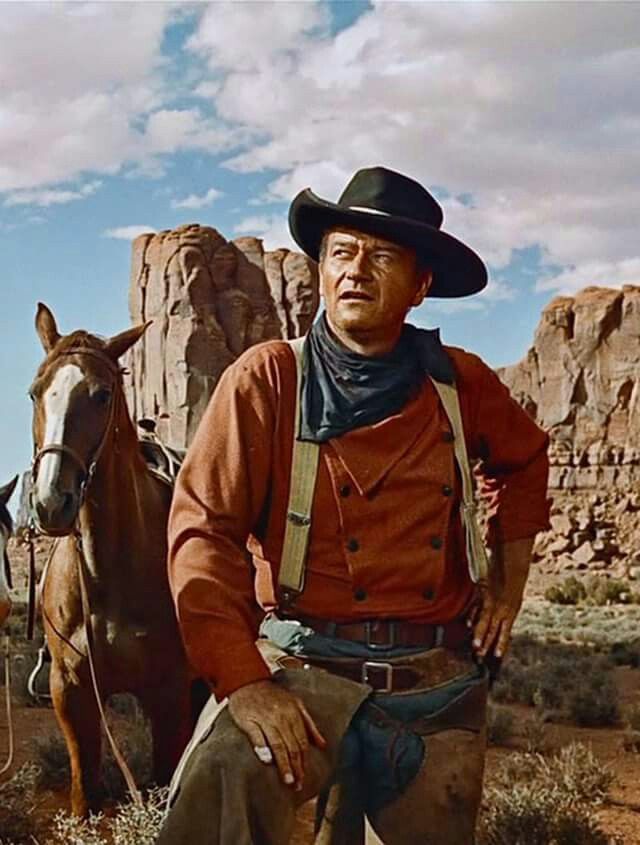
The film opens with a seemingly tranquil scene, accompanied by the music of Max Steiner. We see Ethan Edwards (played by John Wayne, Ford's favorite actor) returning to his brother Aaron's farm after the American Civil War. Ethan is an enigmatic character, whose past is gradually revealed.
Fordian Characters and Key Moments
The film quickly introduces secondary characters typical of Ford, who bring touches of humor and nuance to the plot. One of them is the Reverend Captain Samuel Johnston Clayton (Ward Bond), who recruits men to pursue the Comanches.
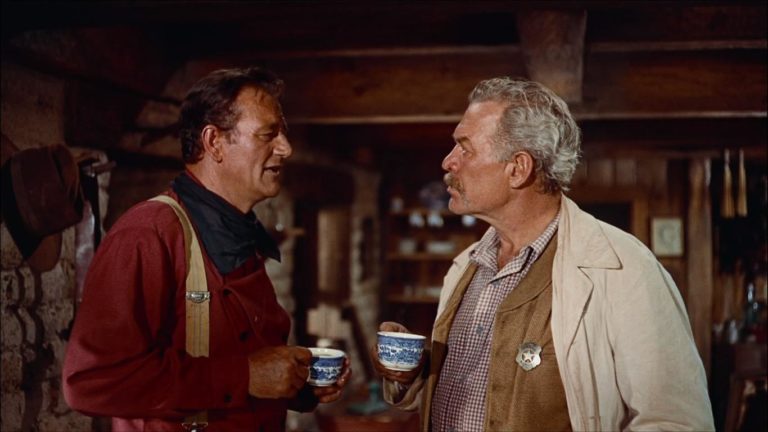
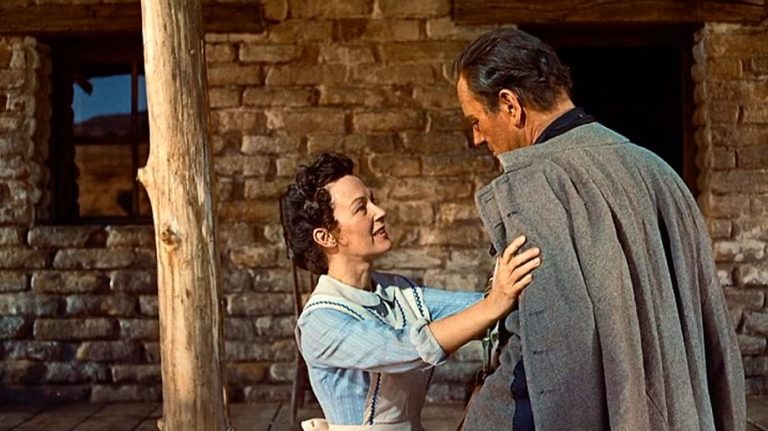
A key moment is when Ethan joins the Indian hunting party. Here, Ford shows us an untold love story between Ethan and Martha, his sister-in-law, through subtle glances and gestures. The reverend's presence adds an additional layer to this scene, suggesting that this feeling is known to others.
Tragedy strikes when the farm is attacked by Comanches, who kill the family and kidnap the two girls, Lucy and Debbie. The main plot focuses on the tireless search for Debbie by Ethan and Martin, a young mixed-race man adopted by his brother. As the search progresses, Ethan becomes more depressed and fears that Debbie has become an Indian.
An Uncertain Ending
The film's ending is ambiguous, leaving the viewer wondering whether it's a happy ending or not. I invite you to watch it and draw your own conclusions.
Movie Trivia
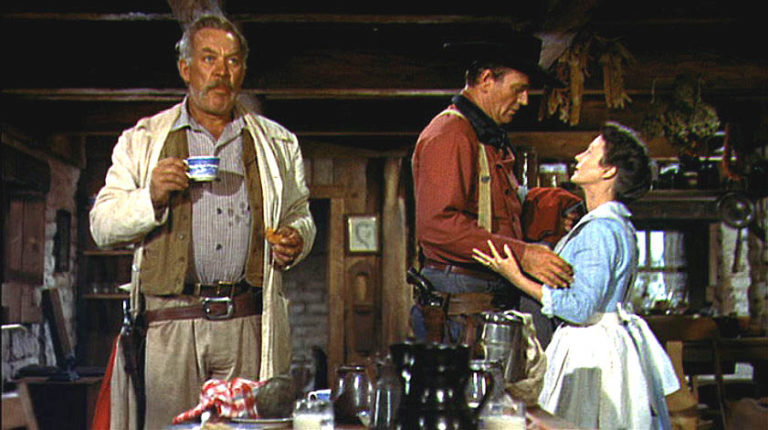
Chief Scar: Played by Henry Brandon, the only non-Indian actor in the Comanche group. Brandon was of German descent, while the rest of the Comanches were Navajo Indians hired by Ford.
John Wayne and Ethan Edwards: Wayne had a great fondness for the role of Ethan Edwards, so much so that he named one of his sons after him.
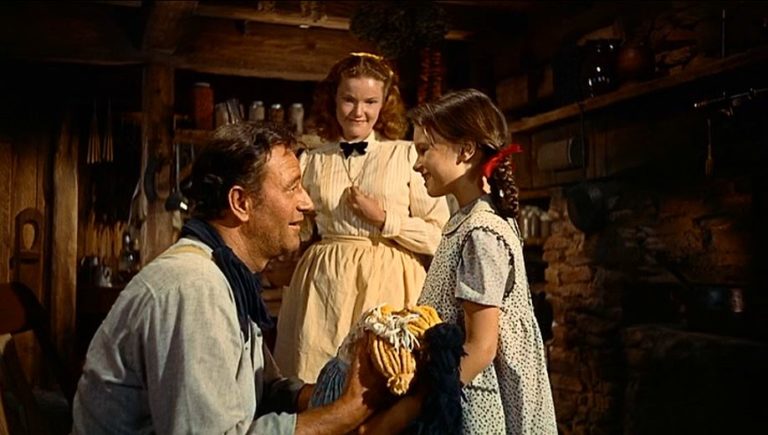
John Wayne's Oscar: Interestingly, John Wayne did not win any Oscars for his performances in John Ford's films. His only statuette was for his role in "True Grit" (1969), directed by Henry Hathaway.
The Portrayal of Native Americans: At the time "The Searchers" was filmed, the portrayal of Native Americans in American cinema was negative. Ford later attempted to compensate for this with "The Big Fight" (1964), which offered a more dignified and realistic portrayal of Native Americans.
Final Thoughts
"The Searchers" is a classic that deserves to be revisited and appreciated for its complexity, memorable characters, and impact on film history. I invite you to immerse yourself in this John Ford masterpiece and discover why it remains relevant today.
Visit My Channel: https://www.youtube.com/@TheDukeChronicles
The Searchers: Complete Analysis of the Classic Western Legend
John Ford, the temperamental
.jfif)

John Ford, the temperamental

"Buck Taylor: A Cowboy’s Legacy in Film & Art"

Buck Taylor (born May 13, 1938) is an American actor and artist, best known for his role as Newly O’Brien in the classic TV western Gunsmoke (1967–1975). Son of actor Dub Taylor, Buck followed in his father’s footsteps, building a career in western films and television.
Beyond Gunsmoke, he appeared in numerous westerns, including Tombstone (1993), Yellowstone, and Hell or High Water (2016). His rugged, cowboy persona made him a staple in the genre. In addition to acting, Taylor is a talented western-themed painter, creating artwork that celebrates cowboy culture.
He has been honored for his contributions to western cinema and continues to be active in both film and art.
**"Buck Taylor: A Cowboy’s Legacy in Film & Art"**
"Uncovering the Legacy of Walter Brennan: Rare Interview Footage Revealed!"

It looks like you're referring to Walter Brennan. He was an American actor born in 1894, known for his roles in classic Hollywood films. He won three Academy Awards for Best Supporting Actor, a record that still stands, for his performances in Come and Get It (1936), Kentucky (1938), and The Westerner (1940).
Brennan excelled in western films and worked alongside stars like John Wayne and Gary Cooper. His distinctive raspy voice and talent for playing elderly characters made him a highly sought-after actor. He also found success on television with the series The Real McCoys. He passed away in 1974, leaving behind a legacy as one of Hollywood’s greatest supporting actors.
"Uncovering the Legacy of Walter Brennan: Rare Interview Footage Revealed!"
The Star Packer ThThe Star Packe
The Star Packer

The Star Packer
Martha and Ethan's Secret Affair Revealed in The Searchers!

In The Searchers (1956), directed by John Ford, Martha Edwards and Ethan Edwards are key characters whose relationship plays a pivotal role in the story's emotional depth and complexity.
Martha Edwards is the wife of Aaron Edwards, Ethan's brother. She is portrayed as a loving and devoted mother and wife. Her tragic fate, along with that of her family, sets the events of the movie in motion when their homestead is attacked by Comanche raiders.
Ethan Edwards, played by John Wayne, is the film's protagonist. He is a Civil War veteran who arrives at the Edwards' homestead at the beginning of the film. Ethan is portrayed as a rugged and complex character, deeply devoted to his family but also grappling with deep-seated prejudice and a thirst for vengeance.
Although the film does not explicitly state it, there are subtle hints that Ethan and Martha may have shared romantic feelings for one another in the past, adding layers of tension and unspoken history to their interactions. This unspoken dynamic heightens the emotional weight of the tragedy when the Edwards family is attacked.
The loss of Martha and the kidnapping of her daughter, Debbie, drive Ethan on a years-long quest for revenge and redemption, forming the core of the film's narrative.
"How does Ethan's relationship with Martha compare to his with Laurie?"
Ethan’s relationships with Martha Edwards and Laurie Jorgensen in The Searchers are starkly different, reflecting the complexities of his character and the roles these women play in his life.
Ethan and Martha
- Deep Connection: Although never explicitly stated, Ethan’s relationship with Martha suggests a deep, possibly romantic connection. Their brief interactions hint at unspoken feelings, such as when Martha lovingly touches Ethan’s coat or gazes at him with an air of longing.
- Unfulfilled Love: Martha is married to Ethan’s brother, Aaron, which makes their bond forbidden and unacknowledged. This adds an undercurrent of emotional tension to their interactions.
- Catalyst for Action: Martha’s death in the Comanche raid deeply impacts Ethan, fueling his obsessive quest for vengeance and shaping his relentless determination throughout the film.
Ethan and Laurie
- Familial Affection: Laurie, played by Vera Miles, is the niece of Ethan’s close friend Lars Jorgensen. Their relationship is more familial and friendly, without the emotional intensity or romantic undertones present in Ethan’s bond with Martha.
- Contrast in Values: Laurie serves as a moral compass in the story, often questioning Ethan’s actions and his unyielding thirst for revenge. Her character highlights Ethan’s flaws and prejudices, presenting an alternative perspective on justice and forgiveness.
- Grounding Influence: Laurie provides moments of levity and warmth, contrasting with the brooding and often grim nature of Ethan. While she represents the stability of domestic life, Ethan’s journey keeps him isolated and apart from such ideals.
Comparison
- Emotional Intensity: Ethan’s relationship with Martha carries a weight of unspoken love and loss, whereas his bond with Laurie is more practical and grounded in friendship and shared history.
- Driving Force: Martha’s loss motivates Ethan’s actions throughout the film, while Laurie challenges his worldview, representing the possibility of reconciliation and humanity.
Both relationships help define Ethan’s character, exposing his vulnerabilities, inner conflict, and the contrast between his personal struggles and the ideals of the people around him.
"What consequences does the affair between Martha and Ethan have in The Searchers?"
While The Searchers (1956) never explicitly confirms an affair between Martha and Ethan Edwards, the film strongly implies a deep, possibly romantic bond between them. This unspoken connection carries significant emotional and narrative consequences throughout the story:
1. Emotional Complexity and Tension
- Subtle Cues of Affection: Martha’s tender gestures, such as lovingly touching Ethan’s coat, and the lingering looks they exchange suggest a bond deeper than familial affection. These moments add layers of complexity to Ethan’s character and their relationship, evoking sympathy for Ethan’s silent longing and the boundaries he cannot cross.
- Unspoken Grief: When Martha and her family are killed, Ethan’s grief is intensified by his personal attachment to her. His obsession with avenging her death may stem as much from love and guilt as from familial duty, giving his quest a deeply personal motivation.
2. Ethan’s Alienation
- Guilt and Isolation: If there was an affair or mutual feelings, Ethan may carry guilt for harboring love for his brother’s wife. This could contribute to his sense of alienation and inability to connect with others, including his own family.
- Outsider Role: Ethan’s possible romantic history with Martha underscores his role as an outsider, both in his family and the larger community. This separation is a recurring theme, symbolized by his inability to settle down or find peace.
3. Motivations for Vengeance
- Fuel for His Obsession: The depth of Ethan’s love for Martha, implied or real, might explain the intensity of his hatred toward the Comanche and his relentless pursuit of her daughter, Debbie. It adds a personal, almost irrational edge to his vengeance, making it about more than just duty—it’s about reclaiming something he lost.
4. Moral Ambiguity
- Complex Hero: The potential affair adds moral ambiguity to Ethan’s character, making him a more flawed and human protagonist. This complexity challenges the audience to reconcile his personal pain with his often harsh and prejudiced actions.
- Theme of Forbidden Love: The unspoken relationship between Ethan and Martha subtly underscores themes of forbidden love and loss, echoing the broader conflicts of the film, including cultural clashes and personal sacrifices.
While the consequences of their relationship are subtle and left to interpretation, they permeate the film, shaping Ethan’s motivations, actions, and emotional journey. This unspoken dynamic adds depth to the story, making The Searchers a richer exploration of love, loss, and the human condition.
"How can I analyze Martha and Ethan's relationship in The Searchers?"
Analyzing Martha and Ethan's relationship in The Searchers (1956) requires exploring the subtle cues in their interactions and understanding how their bond informs the film's themes and characters. Here's a structured approach to examine their relationship:
1. Observe Key Moments in the Film
Focus on the limited but telling interactions between Martha (Dorothy Jordan) and Ethan (John Wayne):
- Martha’s Gestures: Early in the film, Martha lovingly folds Ethan’s coat and lingers on his presence, implying affection beyond familial ties.
- Ethan’s Behavior: Ethan’s reactions to Martha are understated but reveal a quiet reverence and respect, hinting at unspoken feelings.
- The Attack’s Impact: The Comanche raid that kills Martha and her family devastates Ethan, driving his obsessive quest for vengeance. Consider how this personal loss fuels his actions.
2. Analyze the Unspoken Romantic Undertones
- Implied Connection: Look for moments where their bond is subtly suggested but never directly addressed. For example, their body language and the camera's focus on their interactions.
- Constraints of Social Norms: Consider how societal and familial expectations in the 1860s frontier setting would have forced them to suppress any romantic relationship, creating an undercurrent of tension and tragedy.
3. Consider the Impact of Their Relationship on the Story
- Motivations for Vengeance: Ethan’s unyielding determination to rescue Debbie (Martha’s daughter) can be seen as his way of honoring Martha’s memory and redeeming his failure to protect her.
- Ethan’s Alienation: The unspoken nature of their relationship adds to Ethan’s role as an outsider, unable to fully integrate into the community or family life.
- Themes of Loss and Sacrifice: Their relationship underscores the sacrifices individuals make for family and duty, even at the expense of personal happiness.
4. Explore Broader Themes in the Film
Martha and Ethan’s relationship reflects broader themes, such as:
- Forbidden Love: The tension between love and duty highlights the limitations imposed by societal norms.
- Moral Ambiguity: Ethan’s complex emotions toward Martha deepen his character, blending heroism with personal flaws.
- The Tragic Frontier: Their bond mirrors the film’s larger narrative of loss and the harsh realities of frontier life.
5. Contextualize with the Filmmaker’s Intent
Director John Ford and screenwriter Frank S. Nugent intentionally left Martha and Ethan’s relationship ambiguous, adding depth to the characters. This subtlety allows viewers to project their interpretations, enriching the film’s emotional and thematic resonance.
Questions to Guide Your Analysis
- What do Martha’s actions toward Ethan reveal about her feelings for him?
- How does Ethan’s behavior change after Martha’s death?
- How does the unspoken nature of their bond contribute to the film’s themes of love, loss, and duty?
- How does this relationship shape Ethan’s interactions with other characters, such as Debbie or Laurie?
By focusing on these aspects, you can construct a nuanced analysis of Martha and Ethan’s relationship and its significance in The Searchers.
Martha and Ethan's Secret Affair Revealed in The Searchers!
meet the old boys and their music


