
The Searchers: Complete Analysis of the Classic Western Legend
Analysis and Memories of "The Searchers" (1956): A John Ford Classic
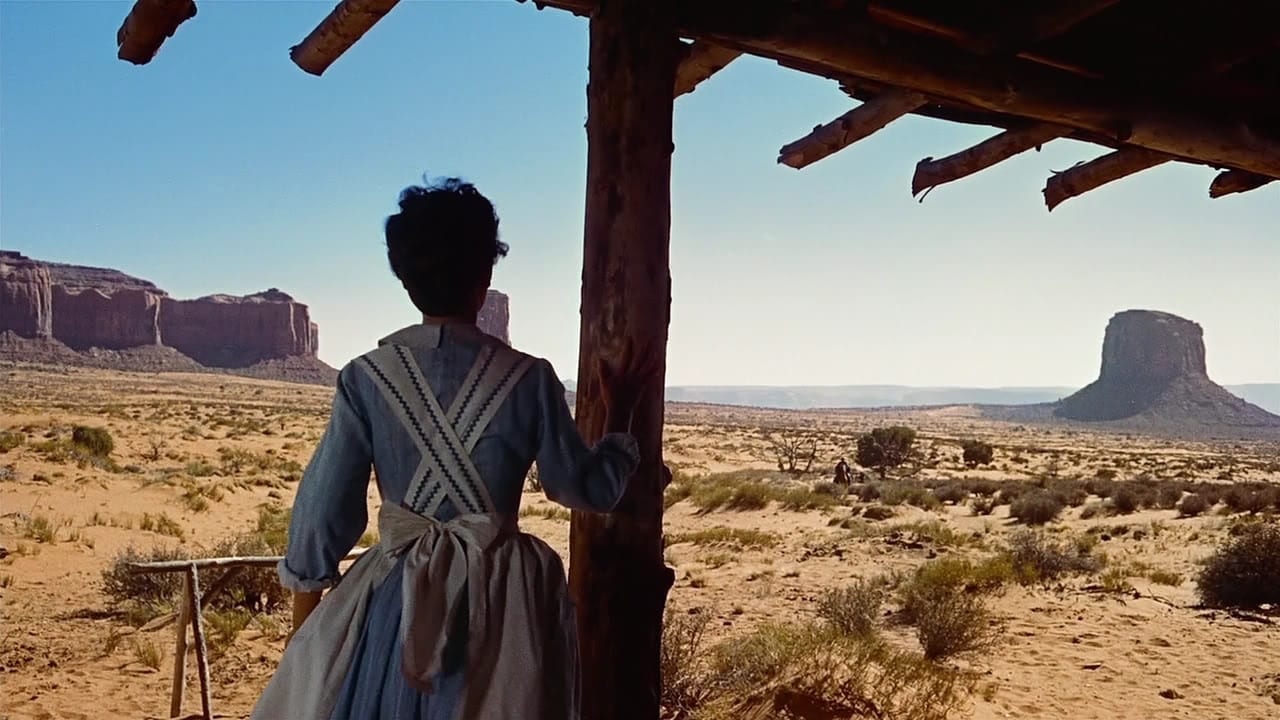
Today we're going to delve into a must-see classic: "The Searchers" (1956), a cinematic gem directed by the legendary John Ford. This film, released in the same year as other greats like "Giant" and "The Man Who Knew Too Much," transports us to Monument Valley, a setting that Ford turned into a symbol of the American Western.
John Ford: A Pillar of American Cinema
We can't talk about "The Searchers" without mentioning John Ford. This director, often portrayed in black and white photos with his signature eye patch, is considered one of the founding fathers of American cinema, especially the Western genre. His genius lies in the fact that his films, even decades after their release, continue to resonate with audiences. Furthermore, Ford has been a key influence on filmmakers such as Orson Welles, Akira Kurosawa, and Martin Scorsese.
Interestingly, although Ford defi
ned himself as a Western director, his four Oscars were won for films in other genres such as "The Informer," "How Green Was My Valley," "The Grapes of Wrath," and "The Quiet Man." His western "Stagecoach" was nominated but did not win.
The Plot of "The Searchers"
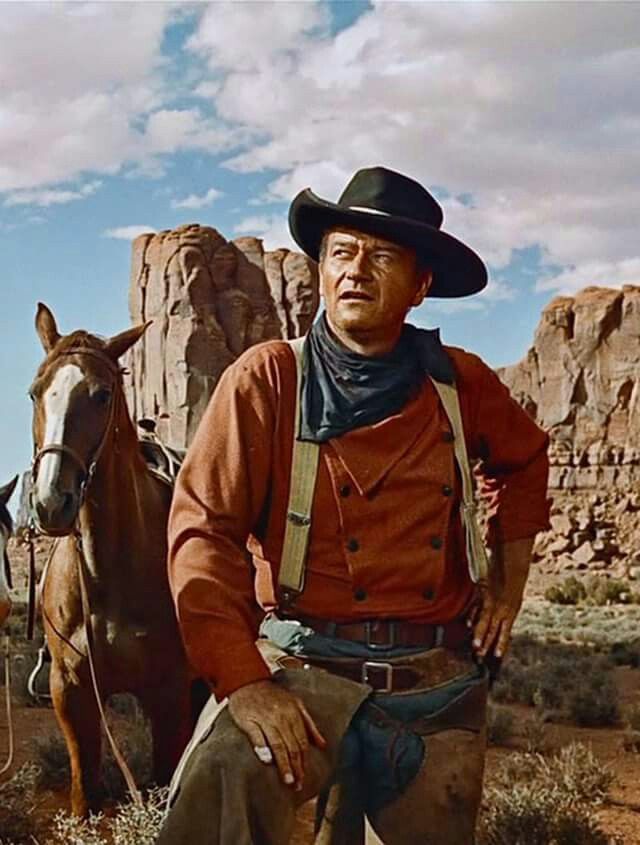
By 1956, at the age of 62, Ford had already come a long way in cinema, beginning in the silent era of 1917. For "The Searchers," Ford adapted a novel by Alan Le May that addresses the theme of the kidnapping of white women by Native Americans during the expansion of settlers into North America.

The film opens with a seemingly tranquil scene, accompanied by the music of Max Steiner. We see Ethan Edwards (played by John Wayne, Ford's favorite actor) returning to his brother Aaron's farm after the American Civil War. Ethan is an enigmatic character, whose past is gradually revealed.
Fordian Characters and Key Moments
The film quickly introduces secondary characters typical of Ford, who bring touches of humor and nuance to the plot. One of them is the Reverend Captain Samuel Johnston Clayton (Ward Bond), who recruits men to pursue the Comanches.
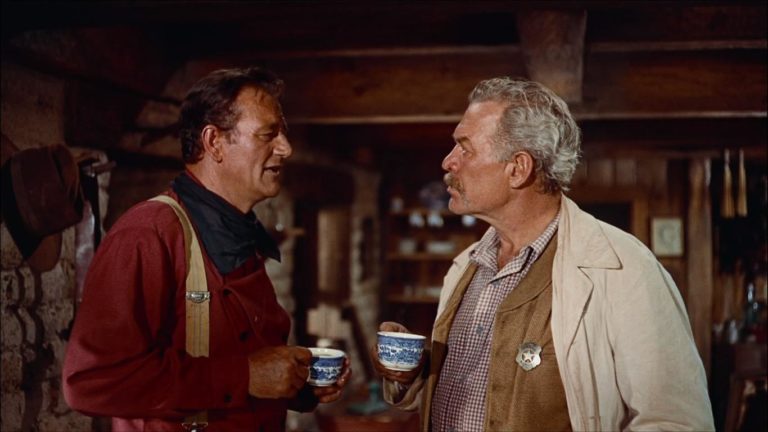
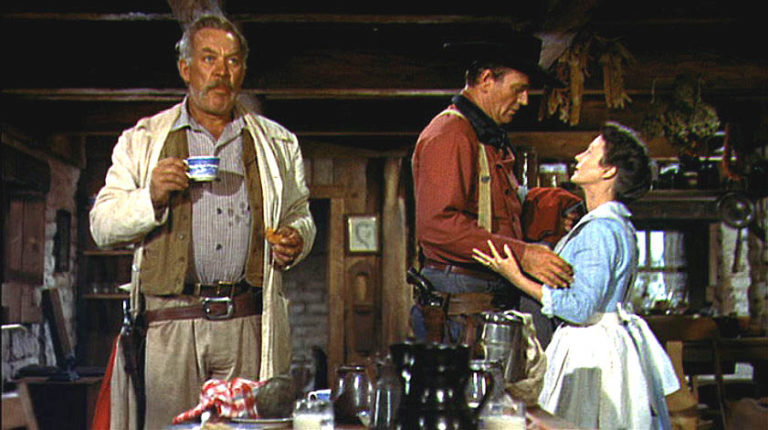
A key moment is when Ethan joins the Indian hunting party. Here, Ford shows us an untold love story between Ethan and Martha, his sister-in-law, through subtle glances and gestures. The reverend's presence adds an additional layer to this scene, suggesting that this feeling is known to others.
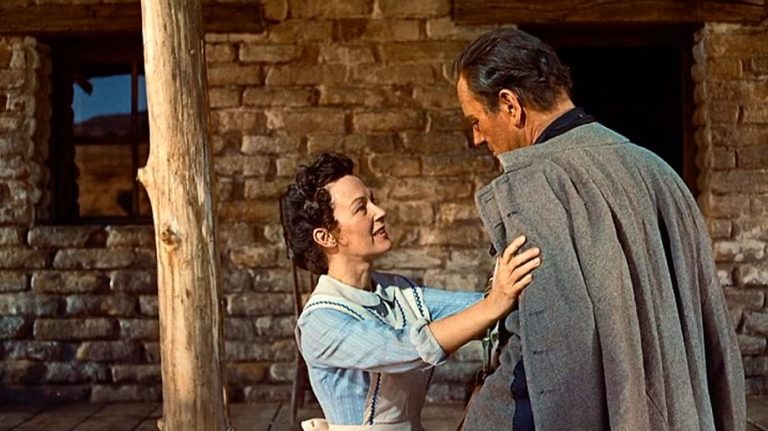
Tragedy strikes when the farm is attacked by Comanches, who kill the family and kidnap the two girls, Lucy and Debbie. The main plot focuses on the tireless search for Debbie by Ethan and Martin, a young mixed-race man adopted by his brother. As the search progresses, Ethan becomes more depressed and fears that Debbie has become an Indian.
An Uncertain Ending
The film's ending is ambiguous, leaving the viewer wondering whether it's a happy ending or not. I invite you to watch it and draw your own conclusions.
Movie Trivia
Chief Scar: Played by Henry Brandon, the only non-Indian actor in the Comanche group. Brandon was of German descent, while the rest of the Comanches were Navajo Indians hired by Ford.
John Wayne and Ethan Edwards: Wayne had a great fondness for the role of Ethan Edwards, so much so that he named one of his sons after him.
John Wayne's Oscar: Interestingly, John Wayne did not win any Oscars for his performances in John Ford's films. His only statuette was for his role in "True Grit" (1969), directed by Henry Hathaway.
The Portrayal of Native Americans: At the time "The Searchers" was filmed, the portrayal of Native Americans in American cinema was negative. Ford later attempted to compensate for this with "The Big Fight" (1964), which offered a more dignified and realistic portrayal of Native Americans.
Final Thoughts
"The Searchers" is a classic that deserves to be revisited and appreciated for its complexity, memorable characters, and impact on film history. I invite you to immerse yourself in this John Ford masterpiece and discover why it remains relevant today.
Visit My Channel: https://www.youtube.com/@TheDukeChronicles


